Jun 01, 2026
By Stephanie Eckroat
When I first came to Kansas, I didn’t expect agriculture to shape so much of what I’d come to understand about this beautiful state. But it’s impossible to live here without noticing how deeply food, farming and community are integrated together. Whether you’re driving past wheat fields that stretch forever or stopping at a roadside stand for fresh vegetables or eggs, you feel it. Kansas grows food with purpose. And the longer I’m here, the clearer it becomes that local and conventional agriculture aren’t competing stories. They’re two strong paths working toward the same goal: feeding people and doing it well.
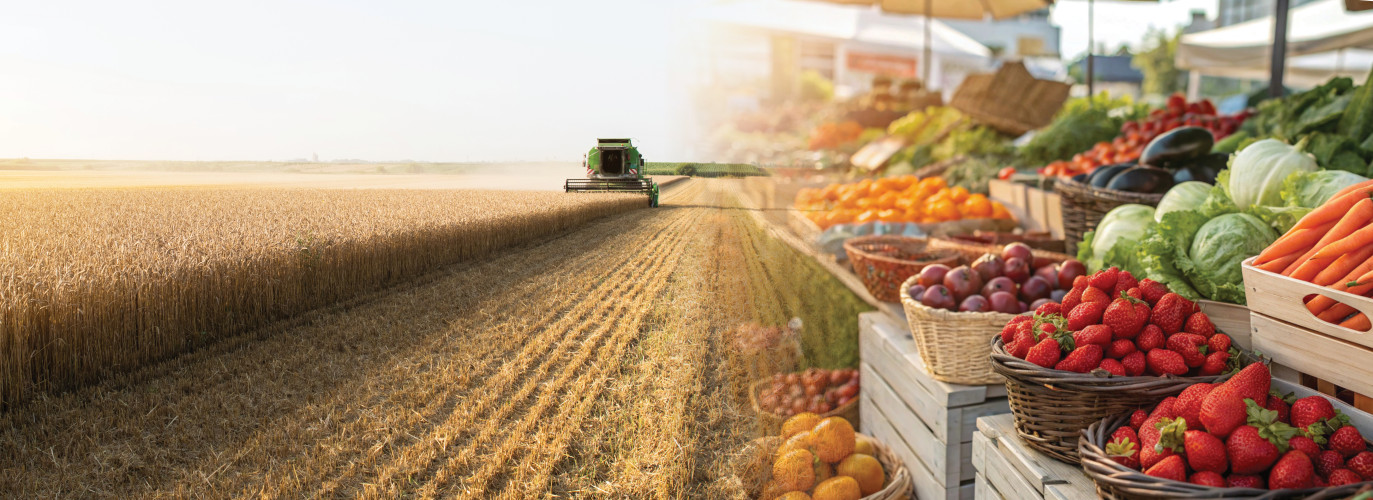
Local foods bring Kansas seasons to life in a way you can taste. When farmers markets open each summer, families gather for tomatoes picked that morning or fresh green beans you can hear snap. You meet growers who can tell you exactly which field your melon came from. Schools across the state are bringing local foods into cafeterias, and you can see the excitement when a student realizes the greens on their tray came from just down the road. Buying local isn’t just a transaction, it’s a relationship, a handshake, an investment in the community.
But Kansas agriculture is bigger than what fits in a market tent. The state’s conventional food system is a powerhouse. It is an intricate network of growers, processors, mills, feedyards and distributors who keep food moving even when the weather doesn’t cooperate. It’s the reason grocery shelves stay full during droughts, late freezes or supply chain hiccups. Kansas farmers use precision tools, improved seed genetics and decades of know-how to steward resources and be competitive. This system feeds millions, stabilizes prices and supports families efficiently across rural and urban counties.
The differences between local and conventional foods often start at harvest on the farm. Local produce can be picked at peak ripeness because it’s headed just down the road. Conventional crops are harvested at a stage that protects quality through storage and transport. One prioritizes immediacy; the other prioritizes reliability. Both make sense; both serve people.
Freshness gives local foods a natural edge, but Kansas’ conventional system uses careful handling to preserve quality and safety. Whether food travels five miles or 500, Kansas farmers take pride in delivering something they can stand behind.
And stewardship? It shows up everywhere. Local foods reduce transportation needs. Conventional farms use precision tools that conserve water and protect soil health. In a state where weather can swing from drought to downpour, both approaches reflect a commitment to caring for the land that sustains us.
Economically, both systems matter. Local food sales keep dollars circulating in Kansas communities and create opportunities for diversified farmers. Conventional agriculture anchors the state’s economy and supports thousands of jobs.
So, when people ask me whether Kansas should lean local or conventional, I tell them the truth: we don’t have to choose. Kansas agriculture thrives because it isn’t one thing; it’s many. Local agriculture brings connection and seasonality. Conventional agriculture brings scale and stability. Together, they form a resilient, diverse food system founded in Kansan values: hard work, innovation and a shared purpose of feeding people.
And that’s the Kansas story worth telling.