Jun 16, 2026
By Sedgwick County Harvest Hub
Bee Basics: Buzz-Worthy Terms Every Honey Lover Should Know!
Did you know a healthy hive can contain 50,000–80,000 bees during peak season? Whether you're a beekeeper, a honey enthusiast or just curious about pollinators, here are some common bee terms to know!
Apiary – A location where beehives are kept. Think of it as a bee neighborhood!
Nuc (Nucleus Colony) – A small starter hive containing a queen, workers, brood and food stores. It's often used to start a new colony.
Split – When a beekeeper divides one strong colony into two colonies to prevent overcrowding and increase hive numbers.
Swarm – A natural process where the old queen leaves the hive with thousands of worker bees to establish a new home. While it can look alarming, swarming bees are usually focused on finding a new place to live.
Capped Honey – Honey that has been fully ripened by the bees and sealed with a thin layer of wax. This is the honey beekeepers look for when harvesting.
Queen Bee – The hive's only egg-layer. A healthy queen can lay up to 2,000 eggs per day and is the mother of nearly every bee in the colony.
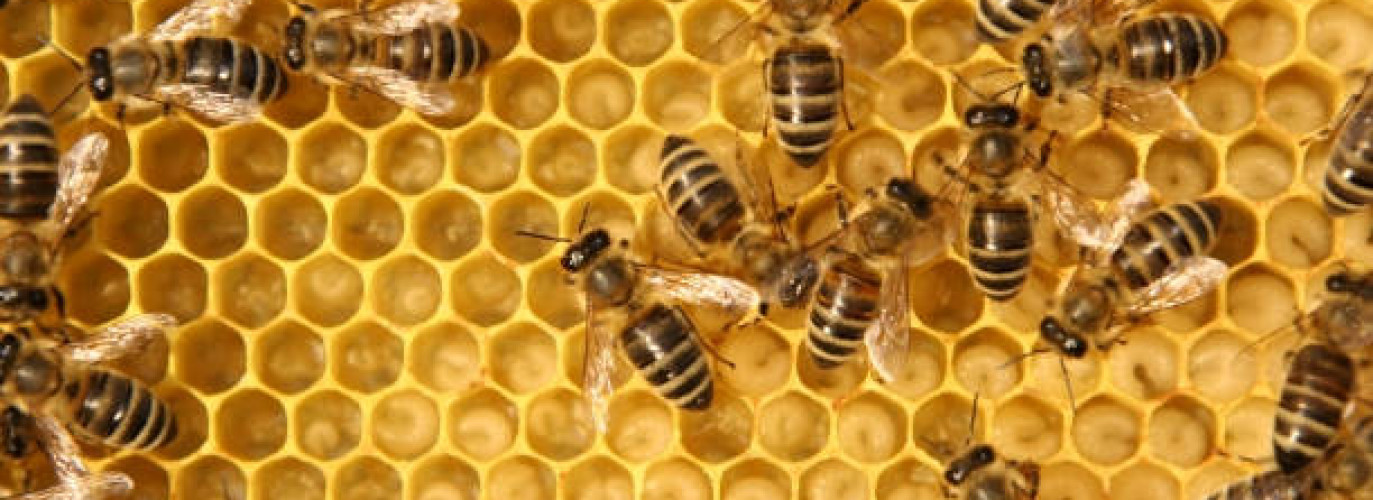
Worker Bees – Female bees responsible for gathering nectar and pollen, building comb, guarding the hive and caring for young bees.
Nurse Bees – Young worker bees that feed and care for developing larvae and the queen.
Cleaner Bees – Some of the youngest workers. They keep the hive tidy by cleaning cells and removing debris to help maintain a healthy colony.
Bees are responsible for pollinating many of the fruits, vegetables, nuts and flowers we enjoy every day. By supporting local beekeepers and planting pollinator-friendly flowers, you're helping these amazing insects thrive.
You Might Also Enjoy